

| Editor’s note: The NVFC’s second annual National Firefighter Health Week comes to a close Friday with a focus on diabetes. Regular physical activity, maintaining a healthy diet, and controlling your weight are key to preventing or controlling diabetes. Check out the following tips from the NVFC and the National Institute of Diabetes and Digestive Kidney Diseases. |  |
By the NVFC
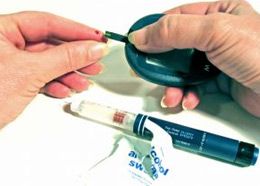 Photo Stock.xchng A diabetic uses a blood glucose monitor and flex pen for injecting insulin. |
Diabetes affects more than 20 million Americans. Up to 75 percent of people with diabetes develop heart and blood vessel diseases. Diabetes can also lead to stroke, kidney failure, and other health problems.
It is estimated that about a third of the people who have diabetes in the U.S. are unaware they have it. Knowing if you are at risk for developing diabetes and learning the warning signs and symptoms to watch for are important factors in prevention and early detection.
Regular physical activity, maintaining a healthy diet, and controlling your weight are key to preventing or controlling diabetes.
What you can do today:
- Take the American Diabetes Association’s diabetes risk test to learn if you are at high risk for type 2 diabetes.
- Encourage members to know their family history and risk factors for diabetes. When you schedule a screening for heart-health, make sure to also test for blood glucose levels.
- Commit to getting down to your healthy weight. One of the top risk factors for diabetes is obesity. Rather than go on a dangerous crash diet, make long-term changes involving a well-rounded diet full of whole grains, lean meats, fruits, and vegetables. Incorporate exercise into your weekly schedule.
- Be active. Increasing physical fitness lowers your risk of heart disease, diabetes, and many other diseases. Aim for at least half an hour of exercise most days of the week.
- African Americans, Latinos, Native Americans, Asian Americans, and Pacific Islanders are at increased risk of developing diabetes. Encourage department members who are part of these groups to receive periodic check-ups.
Diabetes Tips:
Knowing the symptoms of diabetes will help you be better able to identify possible warning signs. Symptoms include:
- Increased thirst
- Increased hunger
- Fatigue
- Increased urination, especially at night
- Weight loss
- Blurred vision
- Sores that do not heal
Knowing if you are at risk for developing diabetes can help you watch for these warning signs. There are many common risk factors of diabetes. The more of these that you have, the more likely you are to develop diabetes. Some of the risk factors are:
- Having a family member with the disease
- Blood pressure that is 140/90 or higher
- HDL (“good”) cholesterol levels below 35 mg/dL or triglyceride levels above 250 mg/dL
- Having a history of cardiovascular disease
- Having other conditions associated with insulin resistance
- Having had previous tests showing impaired glucose tolerance (IGT) or impaired fasting glucose (IFG)
Symptom and risk factor tips courtesy of National Institute of Diabetes and Digestive Kidney Diseases.