


Communications and Interoperability
The communications and interoperability resource page is designed to help firefighters keep up with the latest communications gear and best practices in mutual-aid and interoperability.
From July 20-24, we mark Fire Communications Week, exploring the protocols and personnel that enable effective fireground communication, from dispatch to demobilization.

FIRE COMMUNICATIONS WEEK: FEATURED CONTENT

This checklist is designed to level-up your critical fireground communications and set the tone for the entire incident
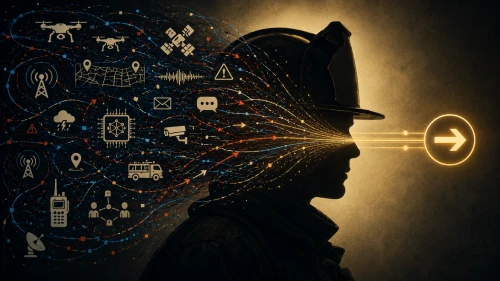
Connectivity has never been better; the challenge now is filtering the noise, establishing priorities and making better decisions under pressure

Learn the habits that make fireground communication clearer, more consistent and more effective under pressure

The five Cs of radio communications help firefighters deliver effective size-ups and status reports

How to control emotions, use technology and “practice perfect” to enhance fireground communications

Several factors contribute to how dispatch centers work – and hiring to fill seats will undoubtedly lead to issues

Tips for fireground communications – and why silence can be golden

In this video, Gordon Graham outlines best practices for radio use to increase fireground efficiency and reduce risk

Fire response begins at the console, and emergency fire dispatchers need a structured protocol to hone their decision-making

A practical guide to expanding the command structure, maintaining situational awareness and keeping the IC focused on strategy

Zam shares four practical strategies to improve communication, build trust and strengthen leadership

A common operating language helps firefighters, mutual-aid partners and ICs communicate clearly when the fireground is at its most chaotic

Amid a nationwide staffing shortage, learn how you can support the lifesaving role of public safety dispatchers – the FIRST first responders

Webinar: Turnout gear accountability: Track, inspect and document every set from issue to retirement
Learn how departments are simplifying NFPA 1850 recordkeeping while strengthening firefighter safety

An independent assessment found low confidence in Lynchburg leadership and outlined recommendations to improve hiring, accountability and workplace culture

We already know the dangers associated with freelancing, fatigue, poor command, among other key challenges — so why don’t we change?

What you need to know (and do) now to be ready for the next grant cycle

Prepare a stronger AFG application with guidance tailored to communications projects

More than 20% of 911 calls to Columbia and Richland County were abandoned before operators answered, raising concerns about staffing shortages and emergency response delays

Among the updated guidance, NENA said telecommunicators should check the ALI NAM field for international callback numbers rather than rely on ANI

A $10,866 Firehouse Subs Public Safety Foundation grant will fund two-way headsets to improve communication for Greenville firefighters

Gain practical strategies for strengthening interagency collaboration and creating a more informed emergency response ecosystem

Survey data reveals why resilient communications are becoming essential to response effectiveness, personnel safety and patient care

Manchester fire officials marked the end of an era as the city’s last Gamewell master box transmitted its final alarm, closing the chapter on a telegraph-based system dating back to 1872

An investigation found missed inspections, code violations and communication breakdowns contributed to a near-fatal rescue during a fast-moving Easton fire

Firefighters are being called to support police operations in new ways — blurring roles and testing the limits of training, policy and public trust

Voice-operated two-way intrateam networks can improve safety and efficiency across operations

Large events test your system before the first call. This checklist helps fire and EMS leaders stage resources, align command and prepare for rapid escalation.

Time may be limited, but we can find ways to maintain the shared kitchen table time that builds a sense of family

Nine McKinney firefighters were injured, including two seriously, during search operations at a 2025 McMansion fire, underscoring air management, size-up and interior coordination

From the Super Bowl to the Olympics, veteran chiefs reveal how to build a unified command structure that holds under pressure — before the first siren sounds

Chief Bryan Frieders breaks down the fire department role at major events like the Super Bowl and large festivals

From a hoax school shooting to Boston Marathon planning, real-world incidents show how relationships and pre-event coordination determine outcomes

How to lean into a customer-focused approach to modern fire service delivery

With the right training and direction, rapid intervention should never be a dull assignment

FirstNet
An honest look at what it really means to be aggressive and stay safe on the job

From drones and AI to virtual reality, emerging innovations promise to reshape operations, enhance safety and strengthen decision-making across the fire service

After-action reports one year after the Palisades and Eaton fires point to staffing, coordination and evacuation gaps, driving changes to improve future wildfire response
MOST POPULAR

- Step-by-step command delegation
- 4 missed maydays, safety lapses flagged in N.Y. LODD
- ‘I’m pinned down behind Battalion 1’s rig': Audio reveals chief directing help to ambushed Idaho firefighters
- ‘They’re coming, aren’t they?’ Failures at fatal Fla. fire
- On-demand webinar: Stronger together: Advancing unified command and communication